PRODUCTION

RAW MATERIAL PREPARATION VIA MECHANICAL RECYCLING

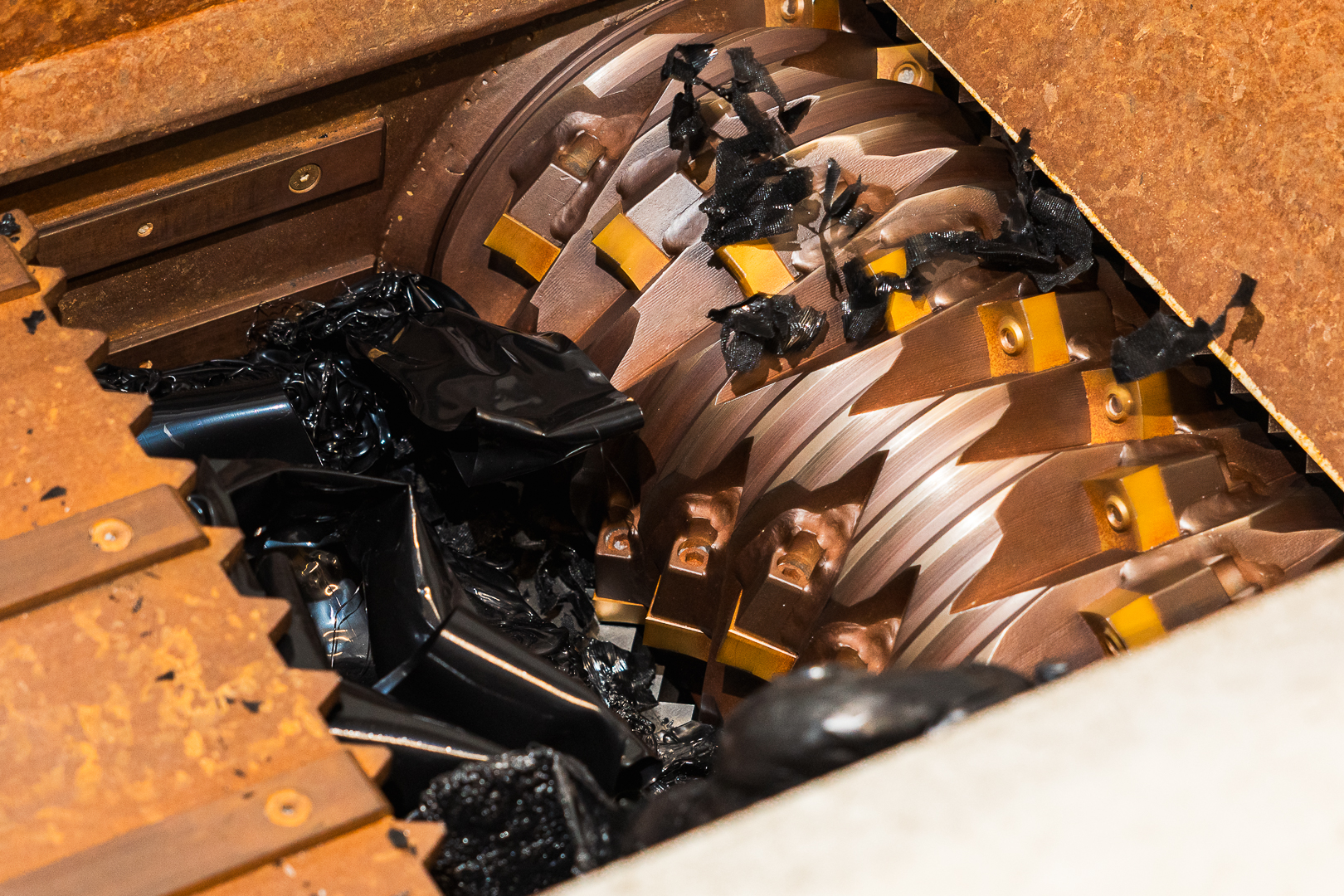
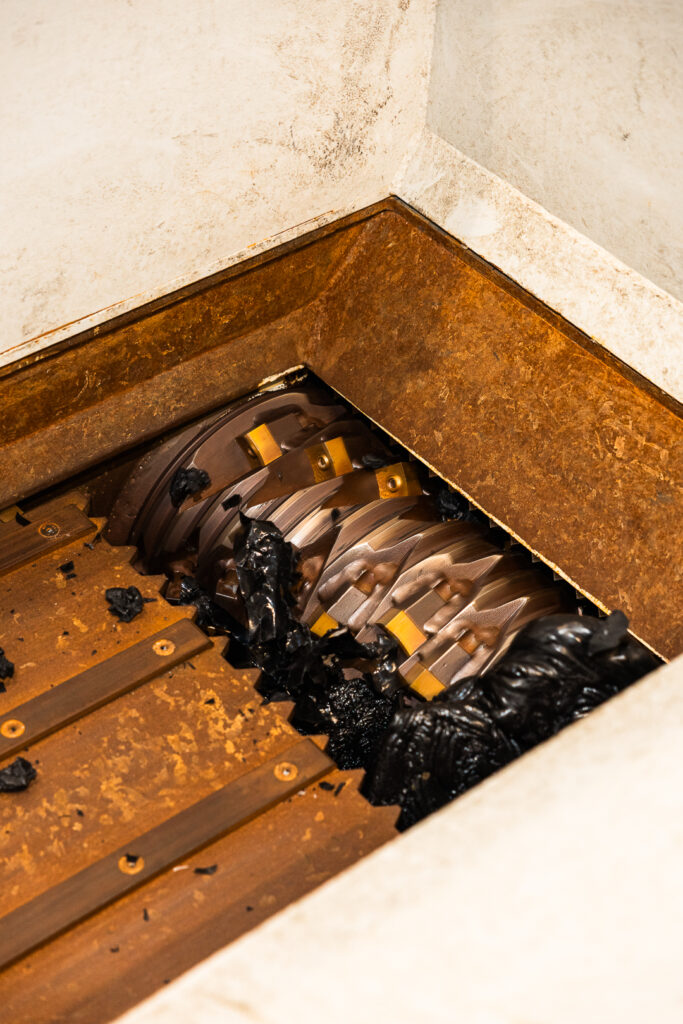
I. In-line size reduction system consisting of two distinct stages:

  • Primary shredding – coarse size reduction
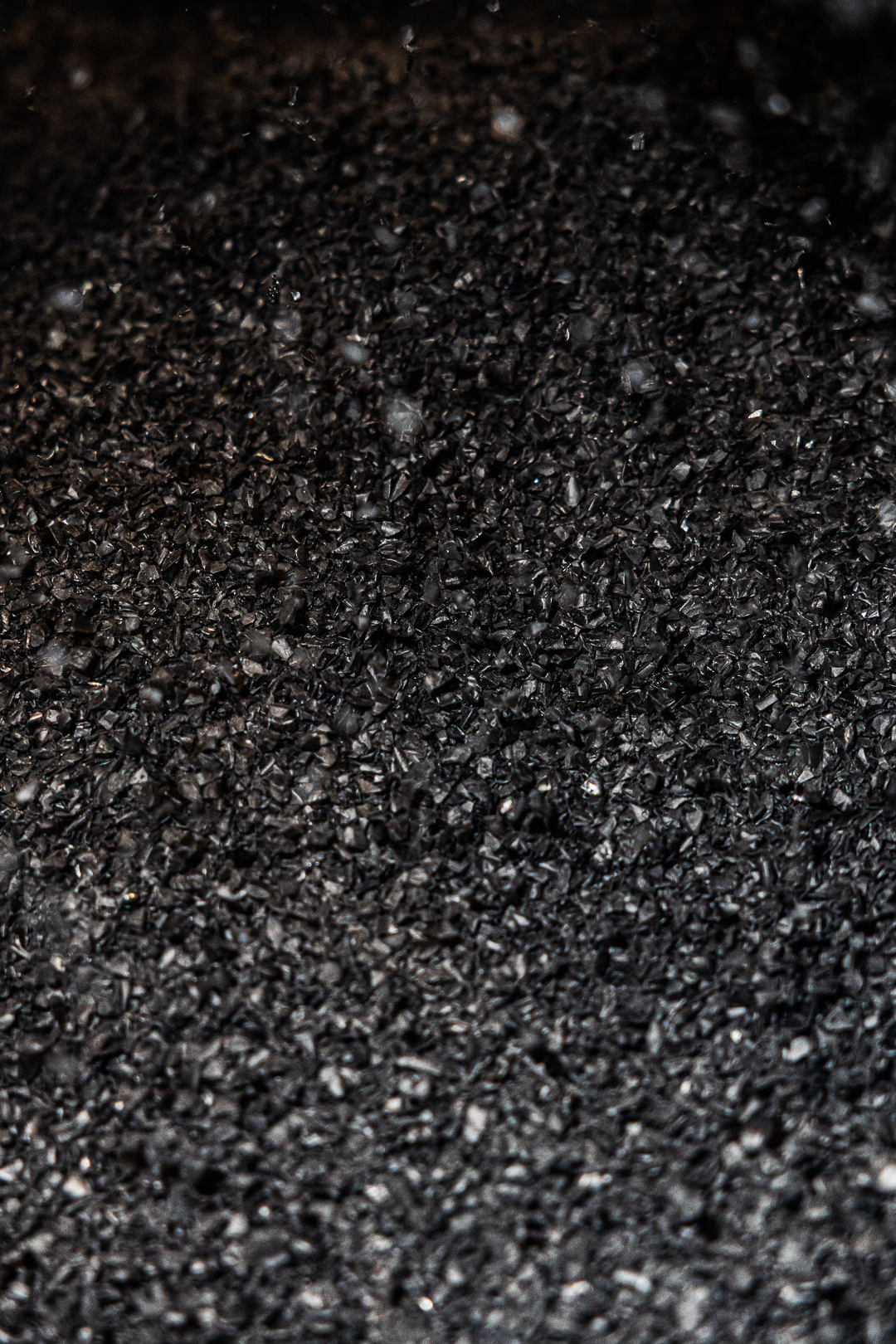
  • Secondary grinding – fine and controlled particle size reduction v With automatic metal detection

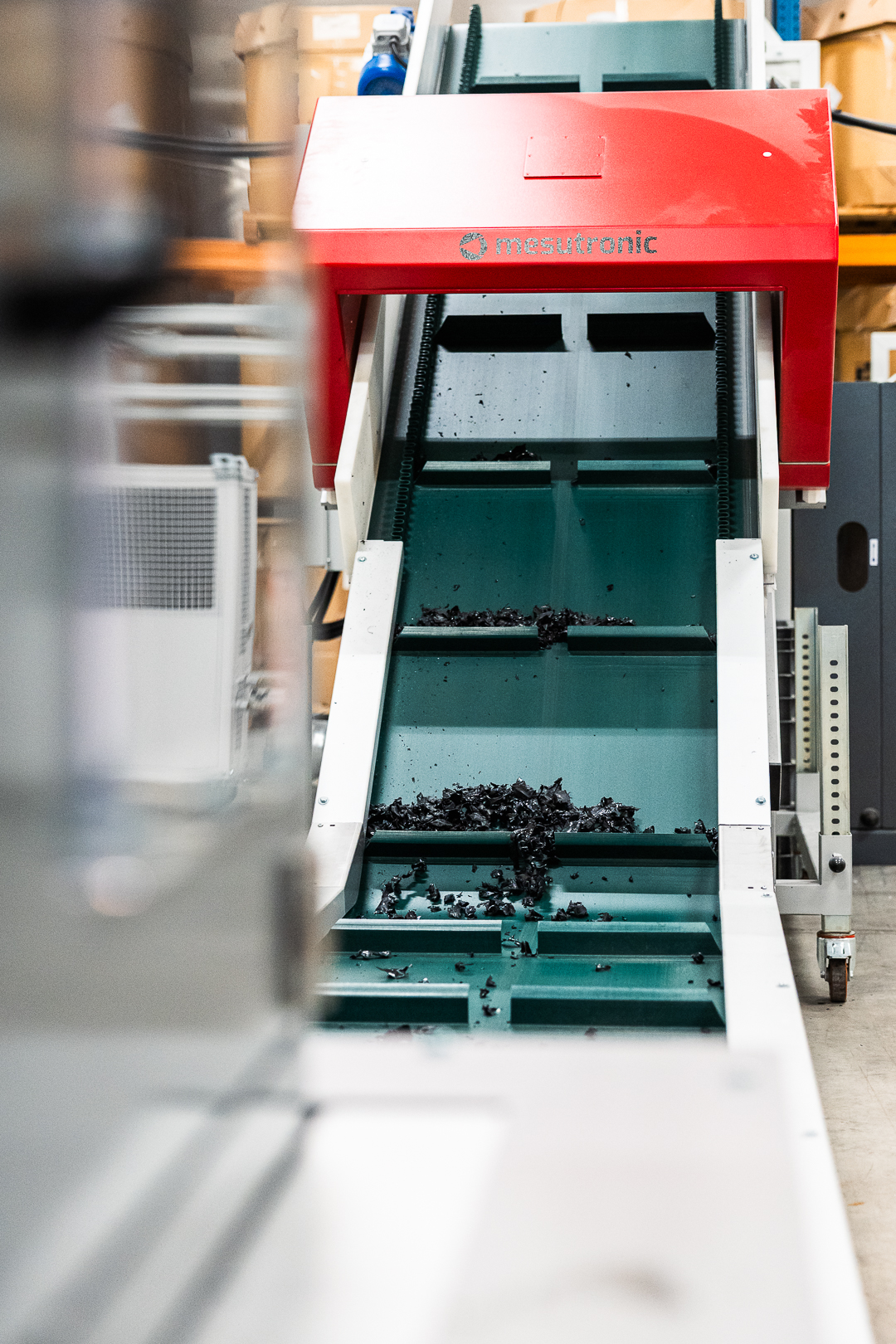
II. Metal separation

III. Plastic separation

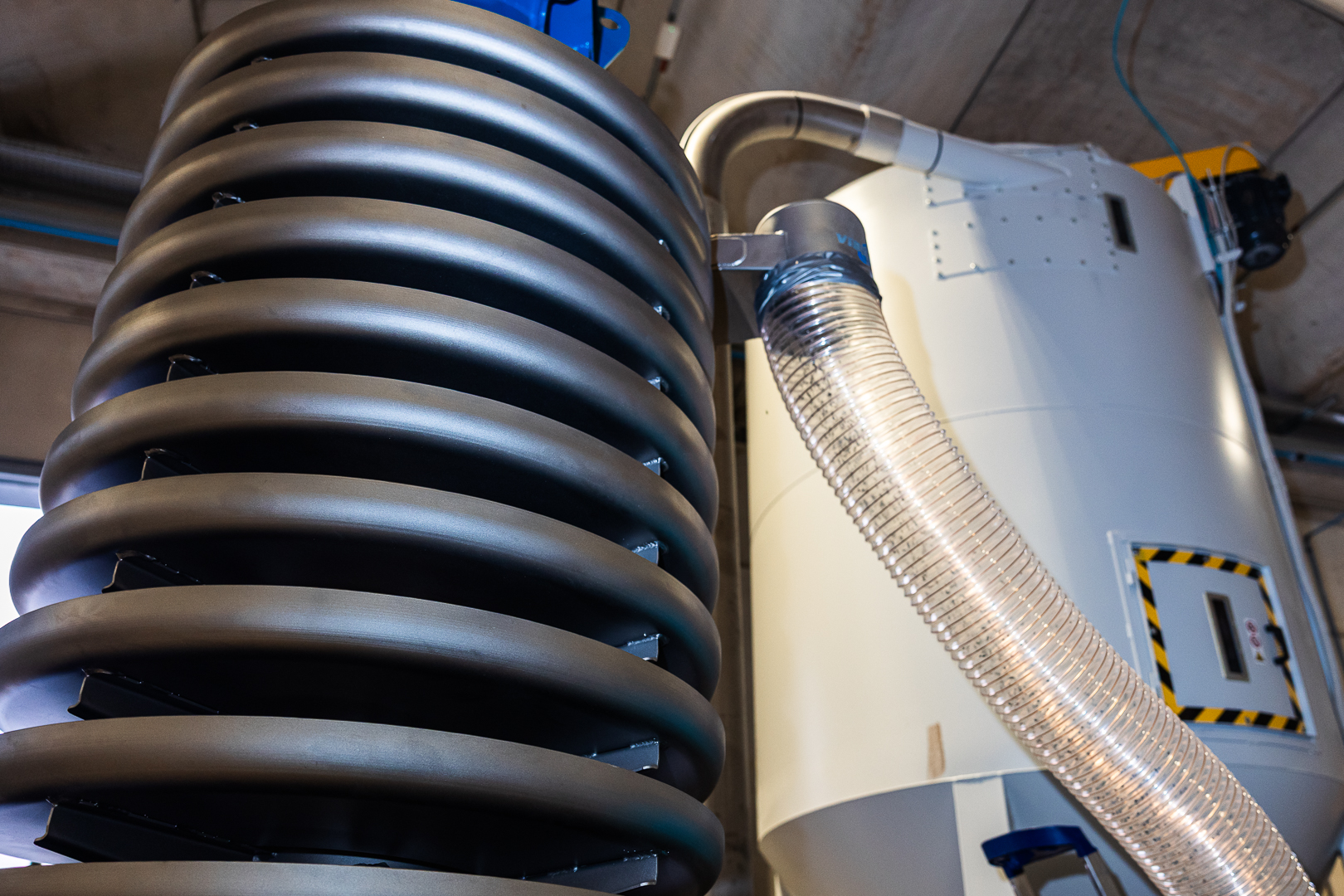
IV. Material cleaning

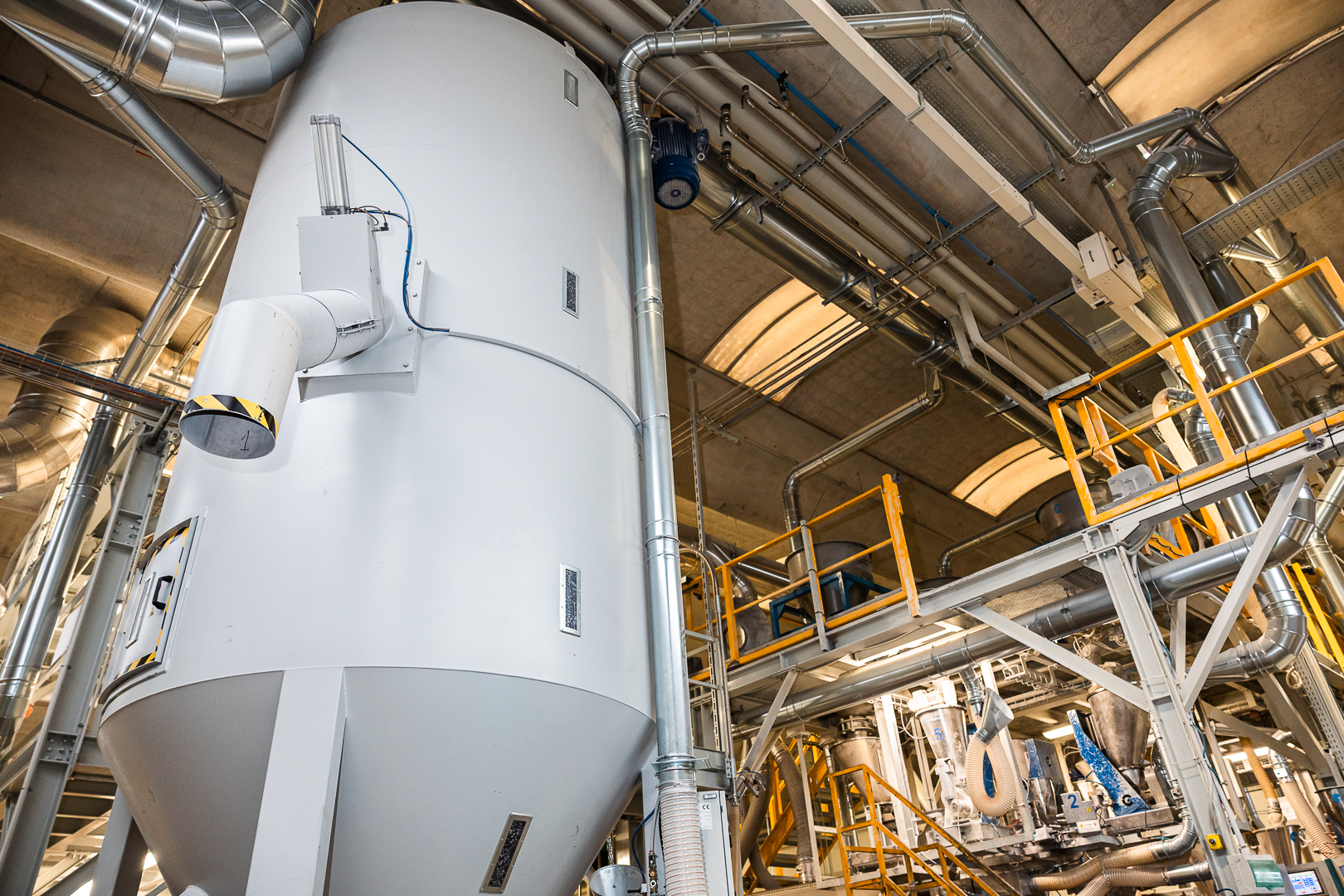
V. Material dry conditioning
Why mechanical recycling is the lowest energy route?

Mechanical recycling preserves the polymer structure and avoids energy-intensive chemical processes. It therefore requires the least energy and generates the lowest carbon footprint, fully supporting Circular Design and the objective of zero waste.

COMPOUNDING VIA REACTIVE EXTRUSION

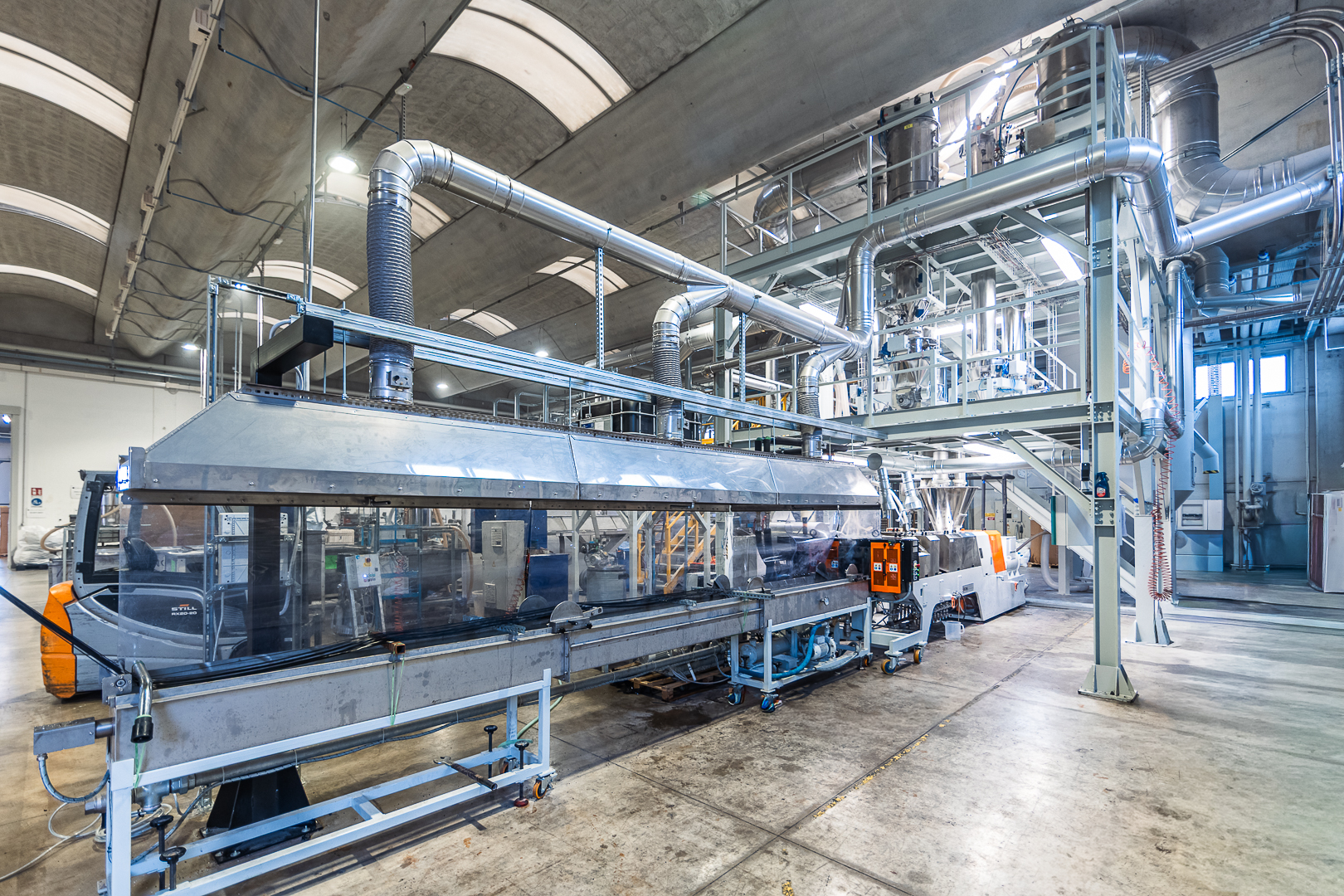
8 EXTRUSION LINES

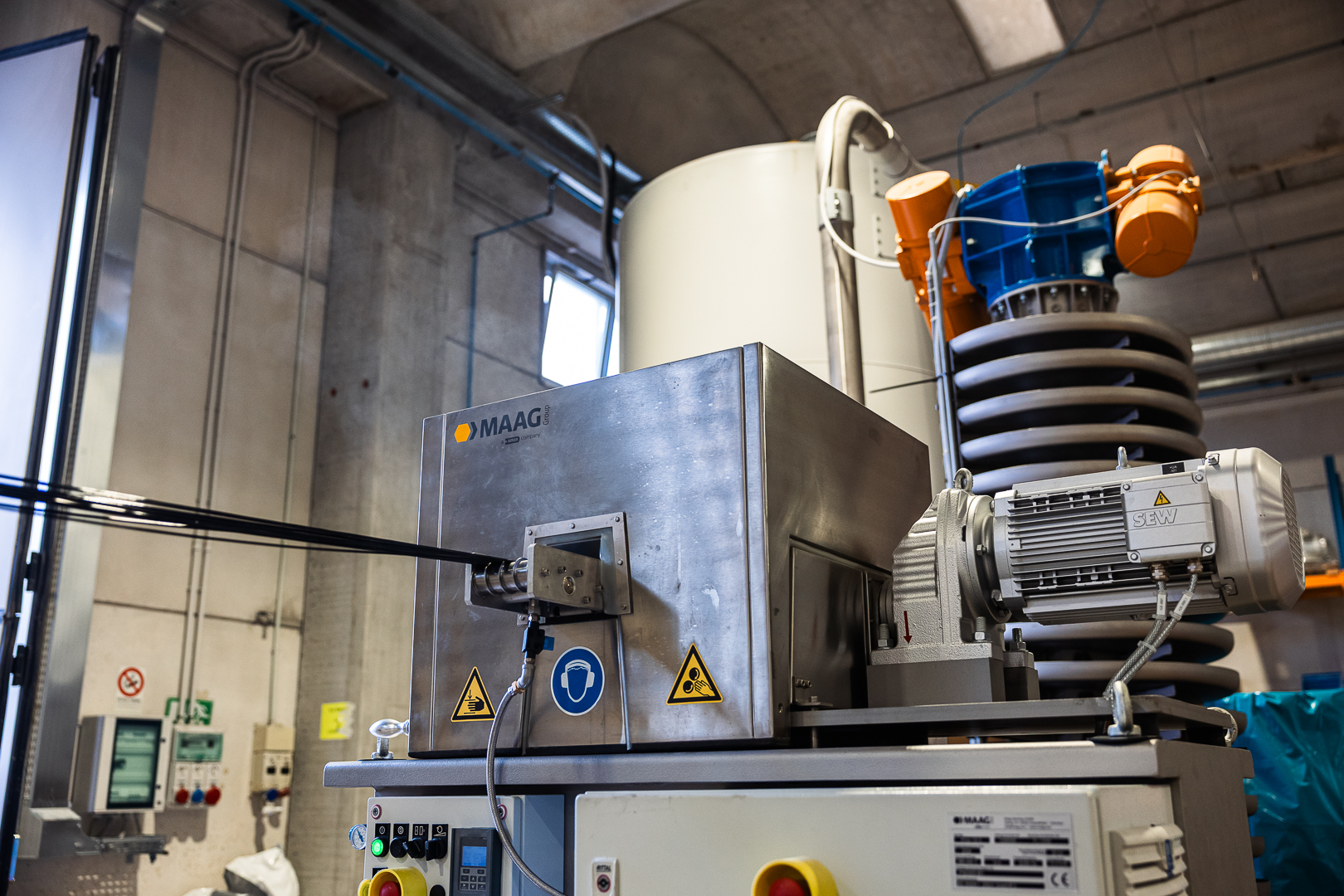
  • MONO-SCREW
  • CO-ROTATIVE DOUBLE SCREW


FLEXIBLE MULTI-COMPONENT DOSING SYSTEM

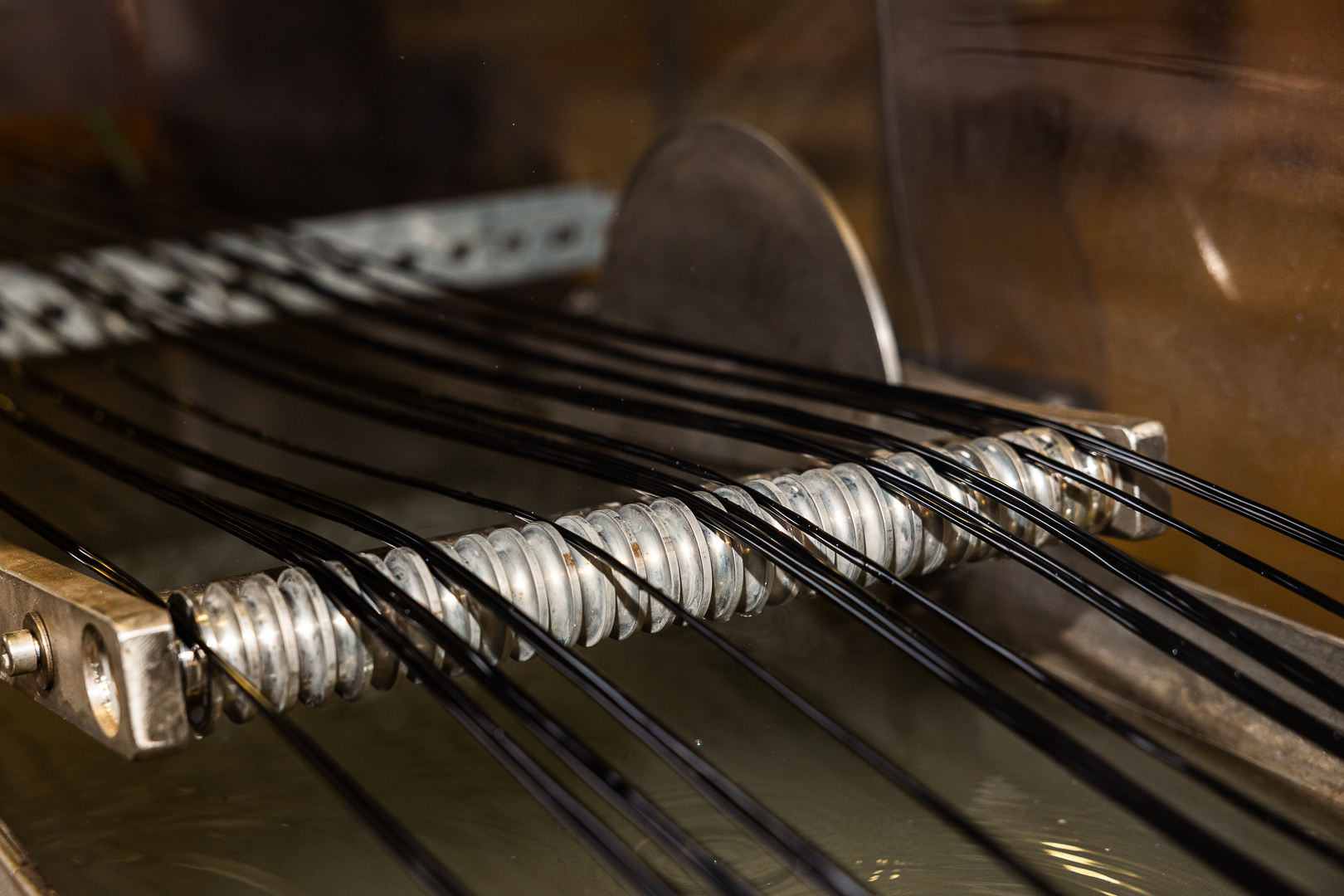
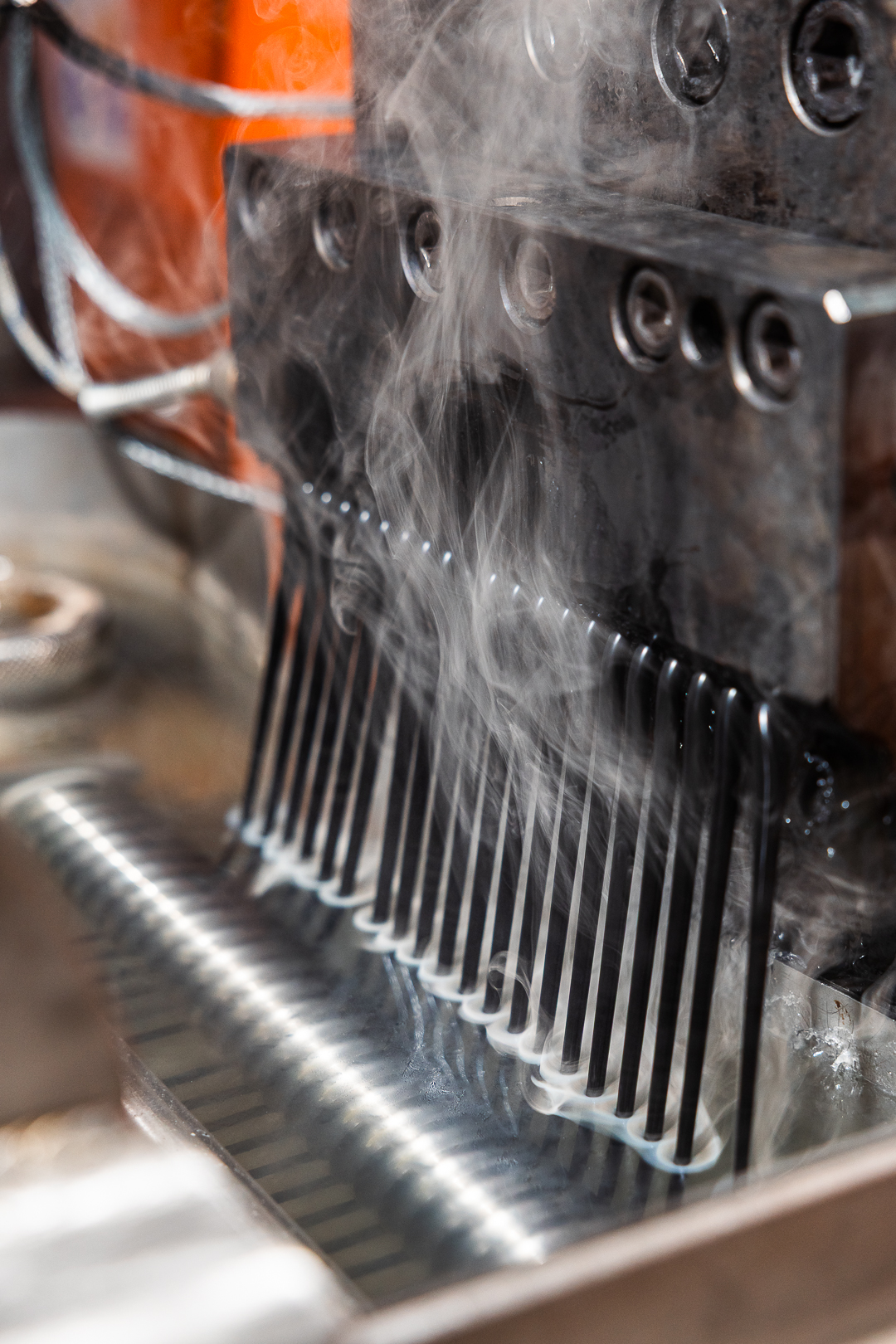
COMPLETE PELLET COOLING SYSTEM

STATE-OF-THE-ART PELLETIZING SYSTEM

INTEGRATED HOMOGENIZATION STEPS BEFORE AND AFTER EXTRUSION

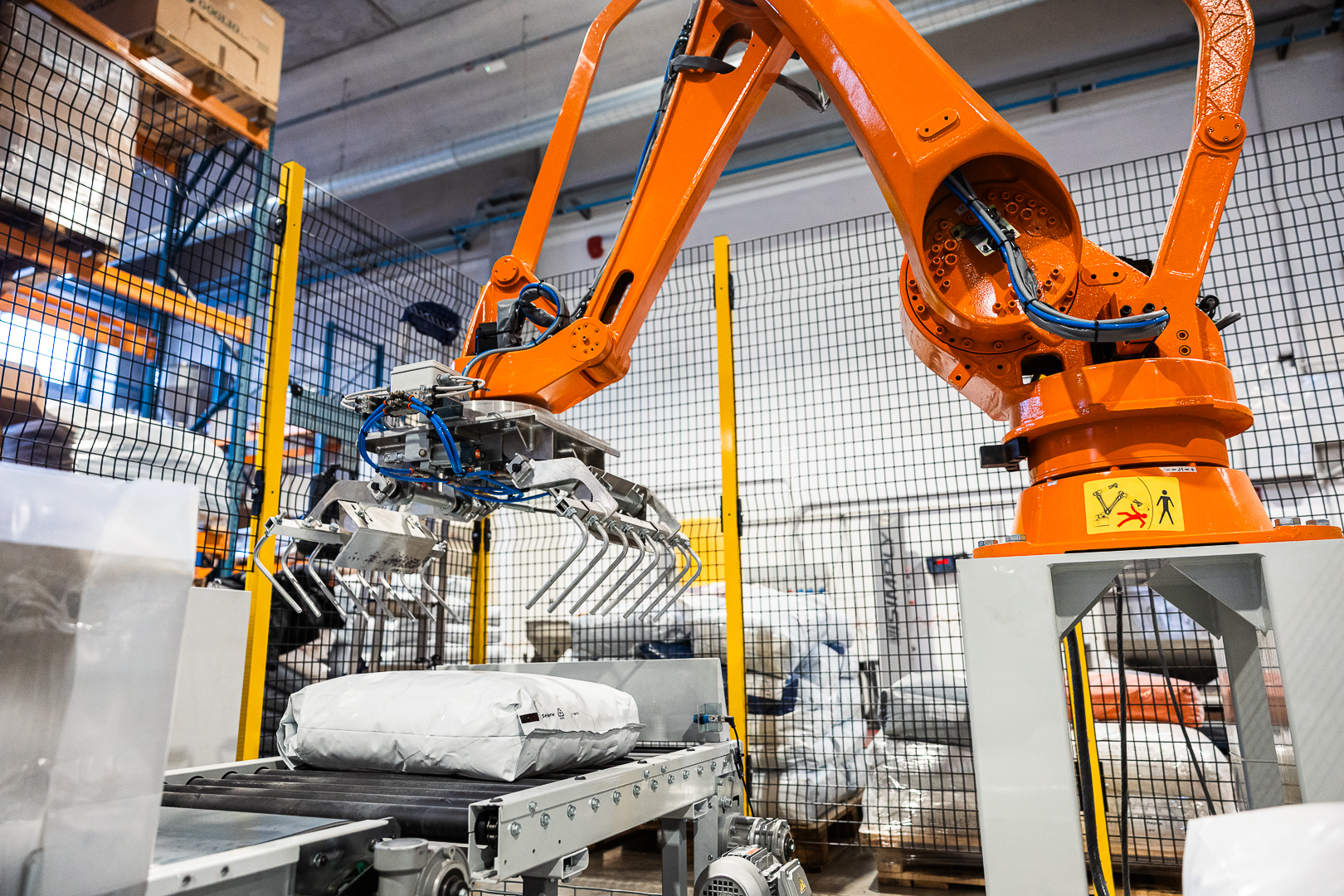
OPTIMIZED SEMI-AUTOMATIC PACKAGING FOR MOISTURE CONTROL
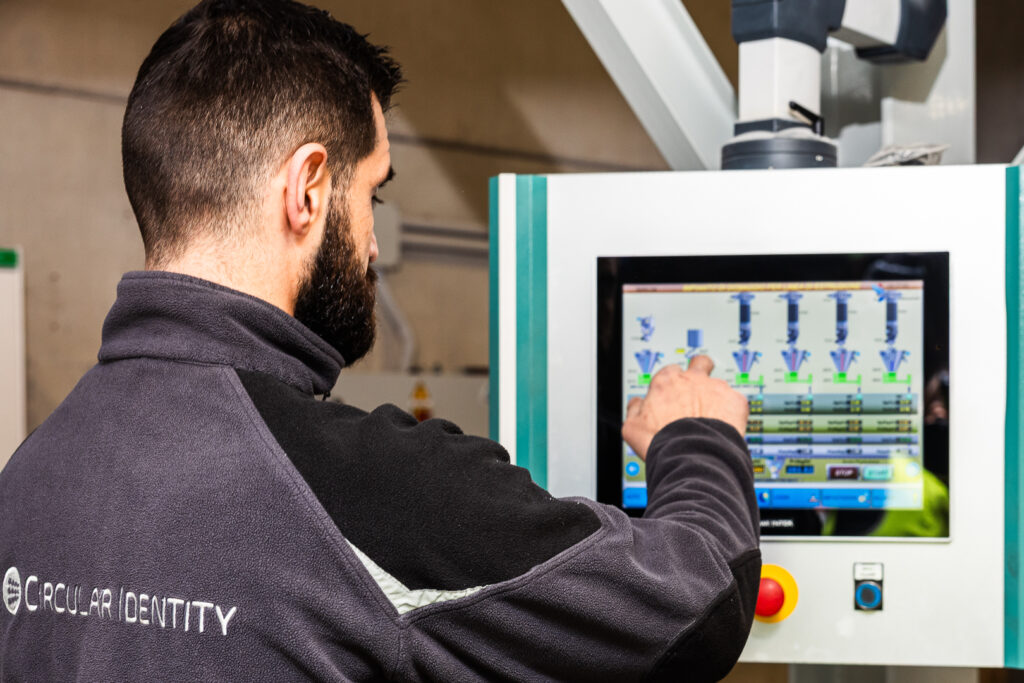
COMPOUNDING VIA REACTIVE EXTRUSION

Why is an automatic screen changer fundamental in mechanical recycling?

In mechanical recycling, material variability is inherent. Contaminants such as unmelted particles, gels or solid inclusions can negatively impact process stability, surface quality and final product performance. Automatic filtration plays a critical role in managing these inconsistencies by ensuring continuous and controlled removal of such defects, without interrupting production.

This is what is done at Circular Identity!